 Muttmates
Finding a vet while travelling Australia with your dog
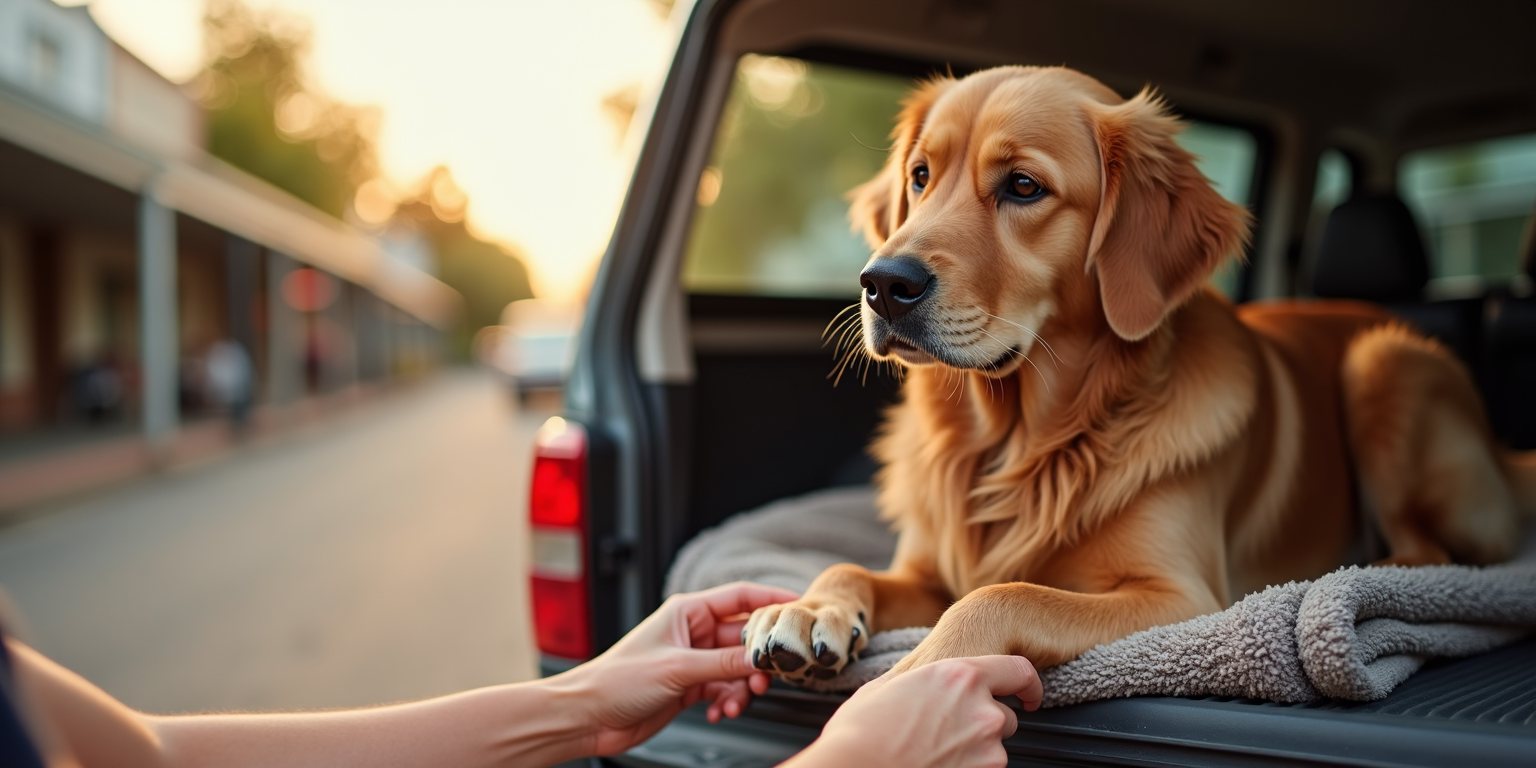
At home you have a vet. On the road you have a phone, a worried dog and a town you have never seen before. Most trips never need the vet directory, which is exactly why it is worth sorting before you leave: the moment you need a vet away from home is the worst possible moment to start researching one. Here is how we plan for it.
Before you leave: twenty minutes that changes everything
- Records in your phone. Photograph the vaccination certificate and any current prescriptions, and note the microchip number. A strange vet treating a strange dog starts from zero; records get them to the point in one scroll.
- Your own vet's number. Many clinics will talk to a treating vet about your dog's history over the phone. Ask yours before you go whether they will.
- Medication maths. If your dog is on anything ongoing, count the days and carry spare. Matching a prescription in a small town can take days, not hours.
- Know your dog's normals. Travel masks symptoms. A dog that is "just quiet from the drive" for three days is not quiet from the drive.
The country-town reality: hours are not city hours
In the cities, an emergency hospital is open somewhere all night. In the regions, a clinic might be one vet who covers three towns, closes at noon on Saturday and takes after-hours calls personally. That is not a lesser service, it is a different one, and it rewards a different habit: call ahead, always. A clinic that knows you are forty minutes out meets you ready. One more thing city owners forget: many rural practices are mixed, treating cattle and horses first on a busy day. Patience, and an early phone call, beat both.
Triage on the road: drive, call or watch?
We are not vets, and this is not veterinary advice, but the sorting rule we use is simple. Snake bite, suspected bait, bloat, big trauma, trouble breathing, collapse: that is a drive-now problem, and you call the clinic from the car so they are ready. Vomiting once but bright, a limp that improves, one skipped meal: that is a call and watch problem, and the phone call costs nothing. Anything with a tick in a paralysis tick area jumps a category; on the east coast, tick paralysis is a genuine emergency and the earlier the better.
Paying for it, and the paperwork afterwards
Away games cost more. Expect a consultation fee up front, after-hours loadings at night and on Sundays, and a clinic that quite reasonably wants payment on the day from someone they will never see again. If your dog is insured, save every invoice and clinical note; claims from a travelling vet visit work fine with paperwork and badly without. Uninsured, it is worth keeping a dedicated buffer for the dog in the trip budget. A quiet grand sitting in an account has saved more holidays than any gadget in the van.
When you get home
Close the loop. Send the treating clinic's notes to your own vet so the history stays in one place, finish whatever course was started even though the dog "seems fine", and if the trip showed a gap, a missing vaccination for the region, a medication that ran short, fix it before the next one.
Nothing here is veterinary advice. When in doubt, ring the nearest clinic; the phone call is free and vets would rather hear from you early.
Common questions
How do I find an emergency vet in a country town?
Ring the nearest clinic even if it looks closed: rural practices usually carry an after-hours number on their voicemail. Calling from the road also means they are ready when you arrive. The Muttmates vet directory lists clinics with phone numbers and maps.
What dog paperwork should I carry on a trip?
Photos of the vaccination certificate and any prescriptions, the microchip number, and your own vet's phone number so a treating clinic can ask about history. It all fits in your phone.
Does pet insurance work away from home?
Policies generally cover treatment anywhere in Australia, but claims live and die on paperwork. Keep every invoice and clinical note from the treating clinic, and check your policy's rules before you travel.